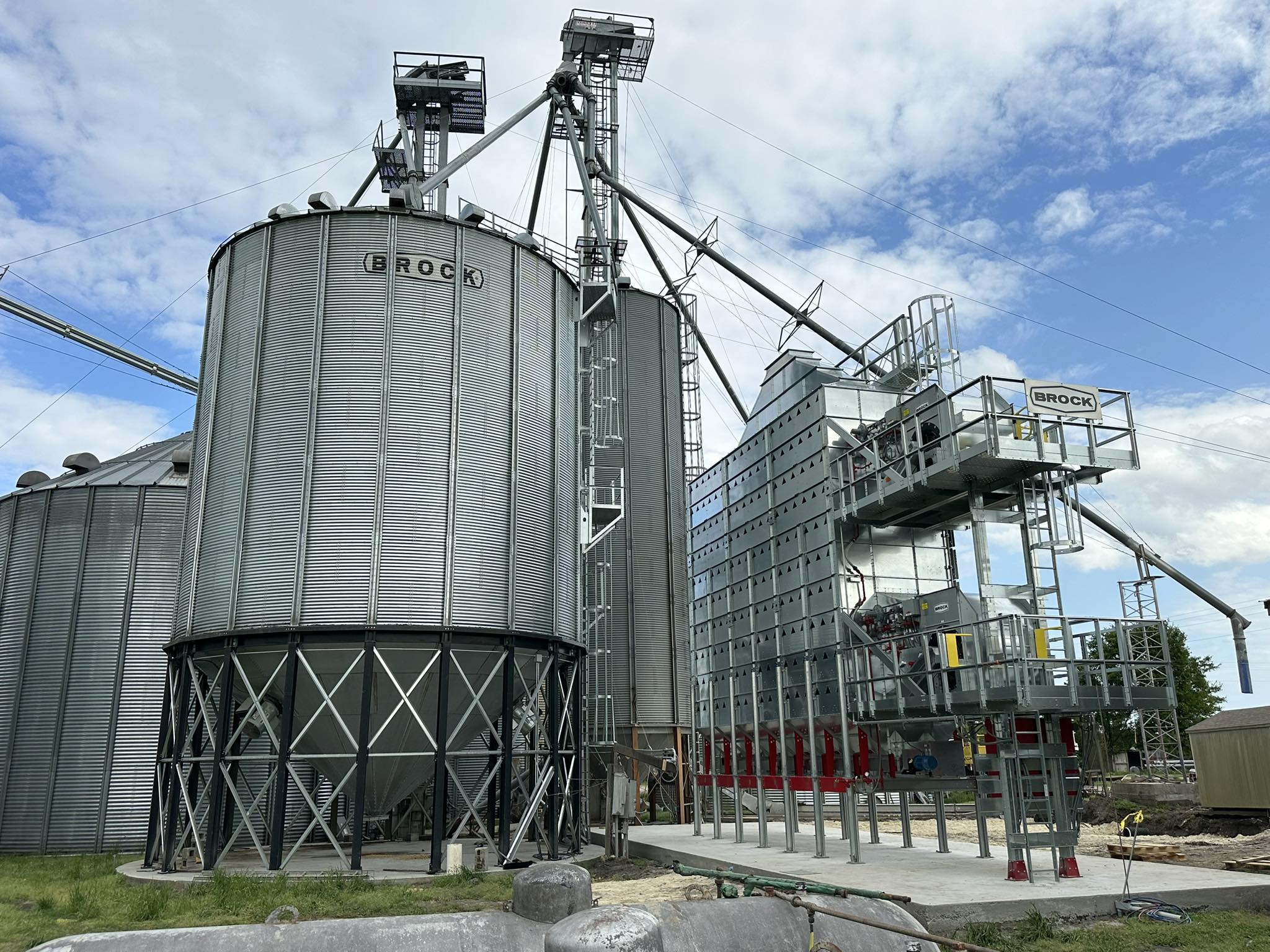
Understanding the Different Types of Grain Dryers: A Comprehensive Guide Jan 17, 2026
Grain dryers come in multiple designs, each with distinct features tailored to varying demands. First, we have the batch dryers. These are one of the simplest types and are designed to dry a specific amount of grain in each cycle. Often used by smaller farms, batch dryers are adept at providing high-quality drying results with great uniformity. They work well for producers who handle smaller quantities and prioritize consistency over speed. The basic premise of these units is to load the grain, dry it, and then unload. It's a straightforward process but requires manual intervention between batches.
Next up are the continuous flow dryers, renowned for their efficiency and ability to handle larger volumes of grain. As the name suggests, these dryers allow grain to move continuously through the system, resulting in a faster drying process compared to batch dryers. They come in two primary variations: cross-flow and mixed-flow. Cross-flow dryers pass heated air perpendicular to the grain flow, while mixed-flow dryers move air both horizontally and vertically. Large operations often favor these due to their ability to proceed without the need for constant loading and unloading.
For those seeking energy efficiency and precision, fluidized bed dryers are cutting-edge. These systems work by suspending grain in a stream of air, achieving uniform drying through high airflow at low temperatures. This gentle drying reduces the risk of grain damage, making it an appealing choice for delicate varieties. However, the complexity and cost can be a point to consider, particularly for smaller setups.
In-bin drying offers another option, particularly well-suited for those who wish to incorporate long-term storage and drying in one mechanism. These systems utilize the storage bins as drying units. While less rapid than other types, they facilitate a seamless transition from drying to storage, reducing the need for additional handling.
For specialized or extreme weather conditions, there are solar grain dryers. These harness solar power to initiate and sustain the drying process, significantly cutting down on operational costs. While their dependency on weather can be limiting, they provide an environmentally friendly option that continues to gain traction in the industry.
Choosing the right grain dryer hinges on understanding each model’s capabilities and how they align with your needs. Evaluate your farm’s size, the types of grain produced, and available resources. By consulting with experts at Grain Dryer Sales and Service, you can ensure that you select the optimal equipment tailored to enhance your productivity.
As you consider your options, keep in mind factors like efficiency, energy consumption, and initial cost versus long-term savings. The right investment can lead to significant improvements in output quality and operational cost savings, keeping your business sustainable and competitive. Each choice comes with distinct advantages and potential trade-offs, but with the right guidance, you can achieve optimal drying conditions tailored to your specific requirements. Reflect on these options, as they hold the potential to elevate your grain handling to new heights.
/filters:no_upscale()/filters:format(webp)/media/bb9de9ae-935f-482b-bac9-38770bed08ad.jpeg)
/filters:no_upscale()/filters:format(webp)/media/63ba8a69-01e8-4bab-9364-2270cc8d20e3.jpeg)