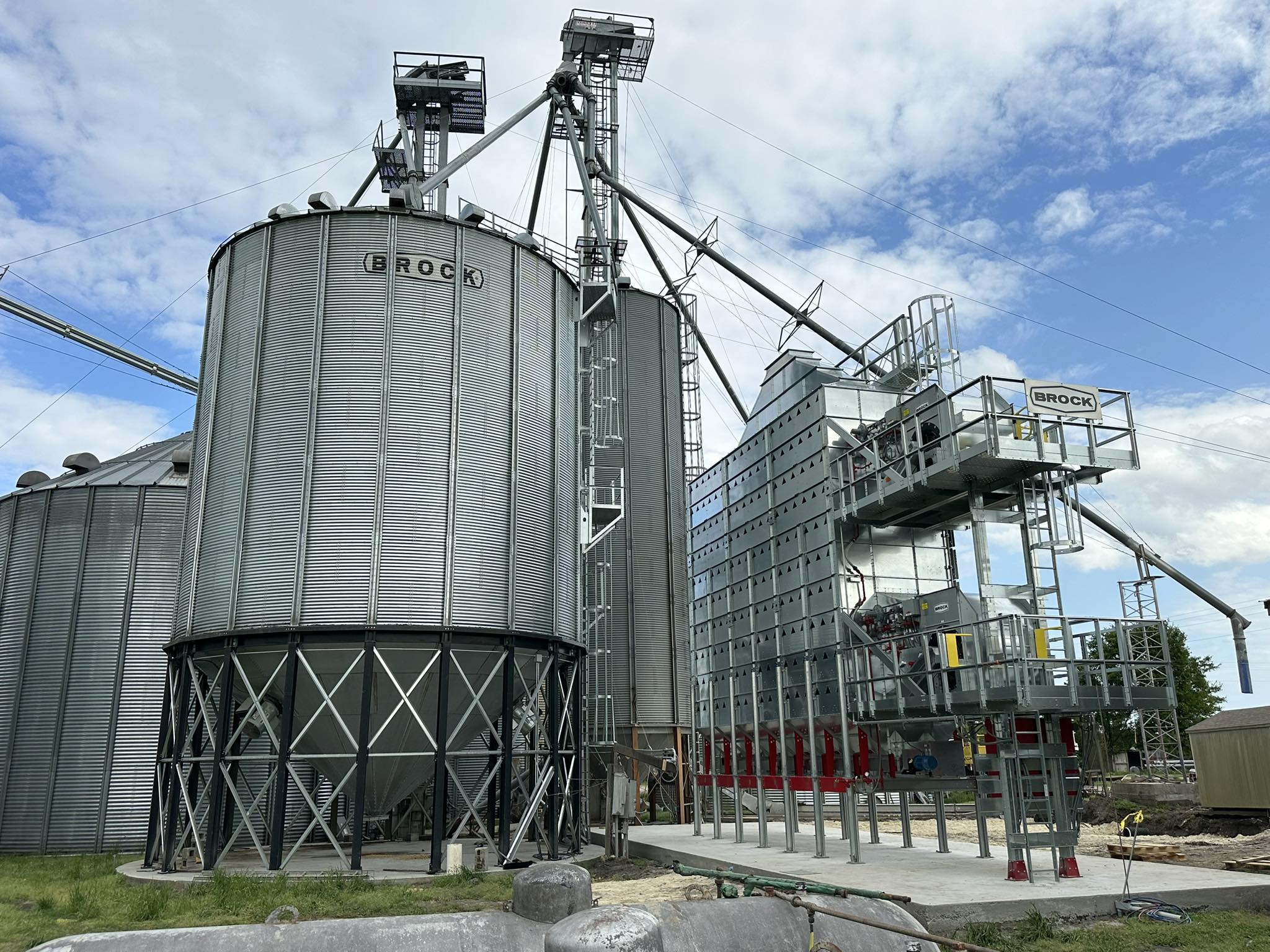
The Science of Grain Drying: Balancing Efficiency and Crop Health Jun 02, 2026
Efficient grain drying is vital for preserving grain quality. The primary goal is to reduce moisture content to safe storage levels without compromising the quality of the grain. Excess moisture can lead to mold growth, reduced nutritional value, and even potential loss of the crop, which directly affects profitability. Thus, understanding the physical and biological aspects of grain drying helps producers maintain the quality and value of their harvest.
Temperature plays a crucial role in the drying process. High temperatures can accelerate drying, reducing the time needed to prepare grains for storage. However, excessively high temperatures can damage the grains, reducing their viability and nutritional content. It is important to use controlled drying methods that apply consistent heat without overheating the grains. This ensures uniform drying and prevents the kernel damage that can occur from rapid moisture removal.
Airflow is another key factor in the grain drying process. Effective aeration is essential to remove moisture evenly from all grain kernels. Proper airflow distribution ensures that air reaches all areas of the grain bin, preventing hotspots that could lead to spoilage or uneven drying. Utilizing the latest grain bin services can help manage airflow effectively, ensuring that every kernel dries consistently and thoroughly.
Humidity levels must also be monitored closely, as they play a significant role in the drying process. High ambient humidity can slow the drying process or, in some cases, add moisture to the grain. On the other hand, extremely low humidity might result in overdrying, which can lead to cracking of grain kernels and loss of quality. Therefore, it is crucial to create a drying environment where humidity levels are balanced to facilitate optimal moisture removal.
The integration of modern technology in grain dryers is transforming how producers approach grain drying. Automated systems offer greater control over drying conditions, allowing for precise adjustments to temperature, airflow, and humidity. These systems reduce guesswork, making the drying process more efficient and reliable while protecting the integrity of the crop.
Our grain bin services offer personalized solutions that cater to these scientific aspects of drying. We provide options that are not only efficient but also adaptable to varying climatic conditions and crop requirements. This ensures that our clients maintain high-quality harvests season after season, optimizing both their productivity and profitability.
In conclusion, balancing efficiency and crop health is an intricate process that requires a deep understanding of the scientific principles underpinning grain drying. By aligning with a trusted grain bin service provider like Grain Dryer Sales and Service, producers can ensure optimal conditions for drying, thus protecting their valuable harvests. Emphasizing technology and precision in grain drying practices can lead to improved yield outcomes and promote sustainable farming practices. Trusting experts in the field can make a significant difference in the overall success of your agricultural operations.
/filters:no_upscale()/filters:format(webp)/media/bb9de9ae-935f-482b-bac9-38770bed08ad.jpeg)
/filters:no_upscale()/filters:format(webp)/media/63ba8a69-01e8-4bab-9364-2270cc8d20e3.jpeg)