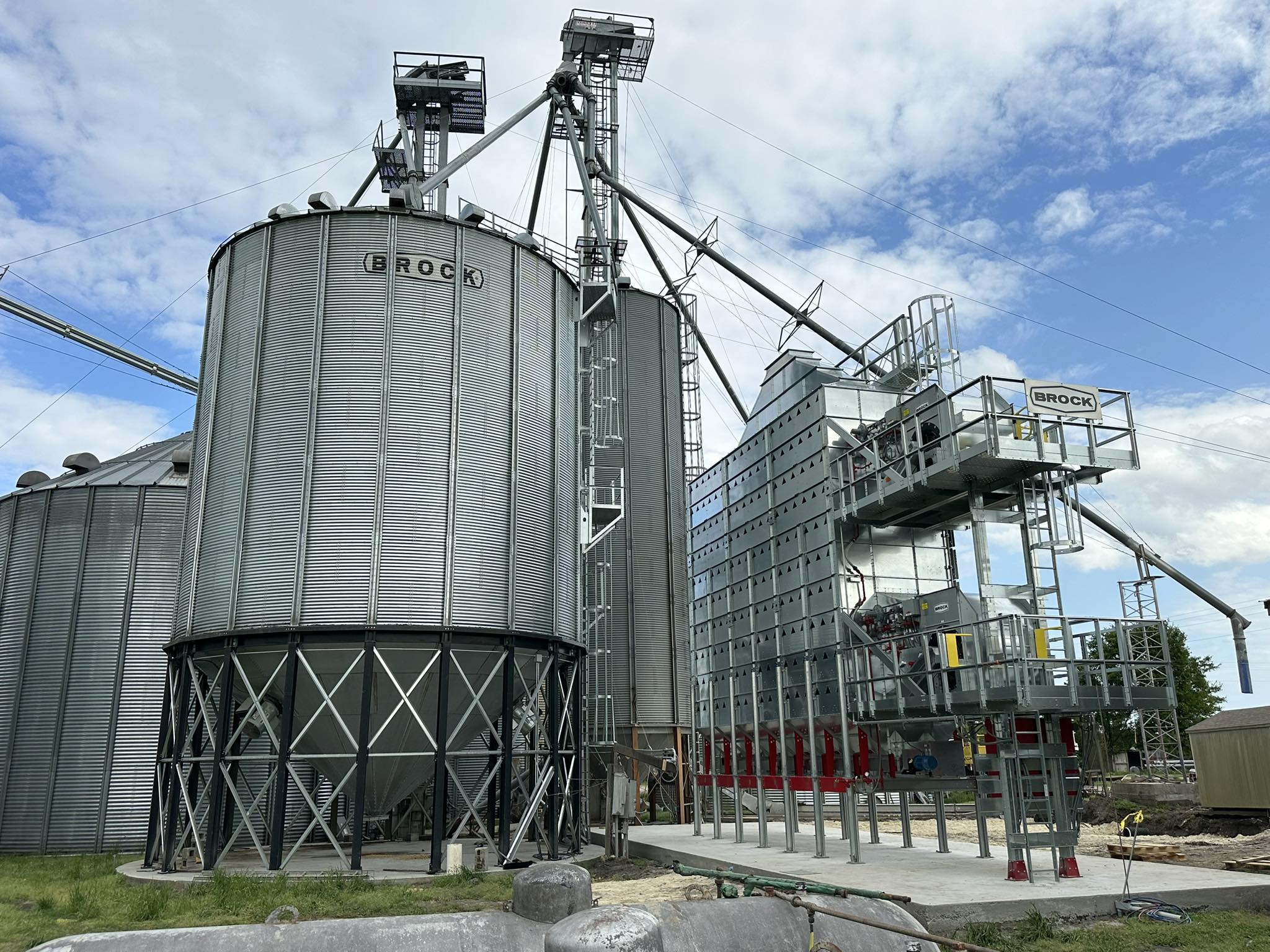
The Impact of Seasonal Changes on Grain Dryer Performance and How to Combat It Feb 04, 2026
Grain dryers are designed to remove moisture from harvested grains, which is essential for preventing spoilage and reducing the risk of mold infestation. However, seasonal variations in temperature and humidity can significantly impact the efficiency and effectiveness of these machines. During wetter months, grain dryers are often required to work harder and longer, leading to increased energy consumption and wear and tear on the equipment. Conversely, in drier seasons, the risk of overdrying becomes a concern, which can degrade the grain quality.
One of the most significant challenges during wet seasons is maintaining the optimal drying speed without compromising grain quality. High humidity levels contribute to increased drying times, making it essential to monitor the grain moisture content closely. Using moisture sensors and automatic controls can help ensure that the drying process is finely tuned to current conditions, thereby optimizing performance and reducing energy costs.
On the other hand, the risk of overdrying is prevalent during dry conditions, which can reduce the grain's nutritional value and market weight. Implementing advanced control systems that automatically adjust drying rates based on real-time moisture and temperature data can help mitigate this risk. Such automation not only maintains grain quality but also reduces unnecessary energy expenditure.
Seasonal changes also pose challenges in terms of equipment maintenance and durability. The fluctuating weather conditions can lead to increased wear on grain dryers, particularly in components such as burners, fans, and motors. To combat this, routine maintenance checks before and during peak season are crucial. Ensuring that all components are in good working condition can prevent unexpected breakdowns during critical periods. Checking for potential rust and corrosion is also important, particularly in regions with high rainfall or humidity.
Operators should also consider the benefits of conducting regular performance evaluations. By assessing dryer efficiency and throughput during different seasonal conditions, grain handlers can gain insights into potential bottlenecks and address them proactively. This might involve recalibrating settings or upgrading certain components to enhance overall performance.
In conclusion, understanding the impact of seasonal changes on grain dryer performance and implementing effective strategies is vital for maintaining grain quality and operational efficiency. By taking proactive measures, such as leveraging automation, scheduling regular maintenance, and performing performance evaluations, you can ensure your grain drying process remains efficient year-round. At Grain Dryer Sales and Service, we are committed to helping you optimize your grain management during every season. Our expert team is here to provide tailored advice and support, so you can confidently navigate the challenges of seasonal weather variability. Embrace these strategies today to protect your harvest and enhance your grain drying efforts.
/filters:no_upscale()/filters:format(webp)/media/bb9de9ae-935f-482b-bac9-38770bed08ad.jpeg)
/filters:no_upscale()/filters:format(webp)/media/63ba8a69-01e8-4bab-9364-2270cc8d20e3.jpeg)