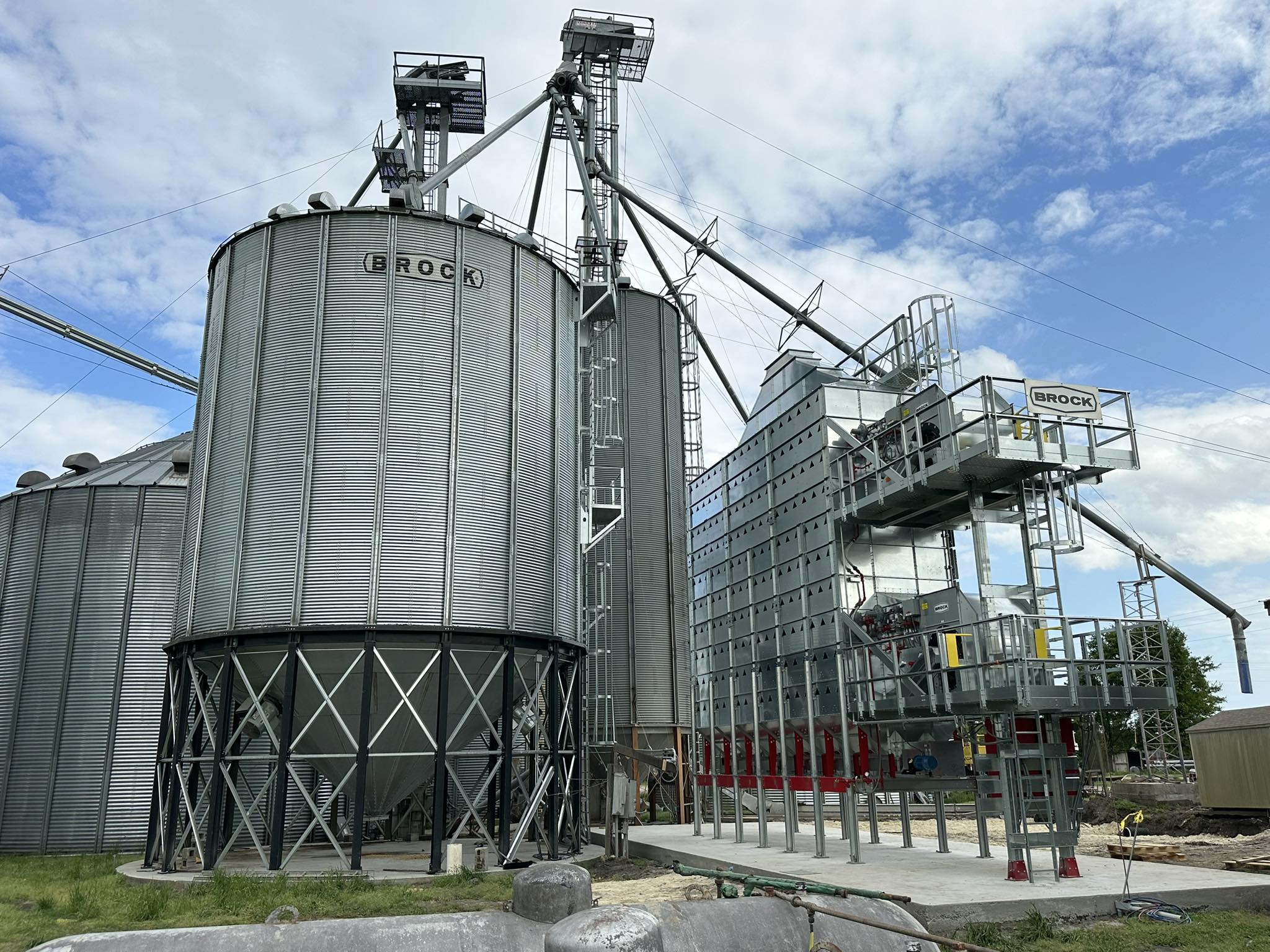
Seasonal Grain Dryer Inspection: Essential Steps for Pre- and Post-Harvest Success Apr 09, 2026
Starting with pre-harvest inspection, timing is everything. Ideally, inspections should be conducted well ahead of the harvest season. Begin by visually examining the grain dryer and surrounding structures. Look for any signs of wear or damage, such as rust, cracked welds, or loose bolts which may compromise the structural integrity. This preemptive approach helps identify potential problems before they can impact your harvest operations.
Next, focus on cleaning and maintenance. Ensure that all parts, including fans, heaters, and motors, are free from debris buildup. Dust and dirt can drastically impair performance or even lead to fires. Clean or replace air filters and oil moving parts to maintain efficiency. Pay special attention to electrical components; inspect wiring for any possible wear and ensure all connections are secure. This routine maintenance can help avert unexpected failures when the dryer is running at full capacity.
Calibration of temperature controls and sensors is another vital pre-harvest step. Accurate calibration safeguards against over-drying or under-drying, both of which can impact grain quality. Regularly test sensors and replace any that are faulty to maintain precision. Proper calibration not only safeguards the quality of your grain but also enhances energy efficiency, reducing operational costs.
Transitioning to post-harvest inspection, it’s crucial to perform this task soon after harvesting concludes. Begin by inspecting all moving parts for any signs of unusual wear or stress that may have occurred during the busy season. Review belts, chains, and bearings for wear and tear, replacing any that show signs of aging to prevent further damage to the system.
The post-harvest period is also an ideal time for a deep cleaning of the entire system. Removing the residue left after drying processes helps prevent mold and pest infestations in off-seasons. Clear grain chutes, conveyors, and exhaust systems to ensure your equipment remains in peak condition and ready for the next cycle.
Additionally, perform a comprehensive review of the control system. Check for any fluctuations in performance during the harvest and address any irregularities in the monitors or controllers. Making these adjustments post-harvest ensures reliability and performance consistency when the next season arrives.
Documenting every inspection, maintenance task, and repair conducted on your grain dryer is an invaluable practice. This log not only assists in tracking the health of your equipment but also aids in strategic planning for future maintenance needs.
In conclusion, systematic pre- and post-harvest grain dryer inspections are critical for ensuring reliable performance and extending the lifespan of your equipment. By dedicating time to thorough inspections and maintenance, you protect your investment and secure a more profitable harvest season. Partner with Grain Dryer Sales and Service for expert support and service solutions designed to keep your operations running smoothly all year round.
/filters:no_upscale()/filters:format(webp)/media/bb9de9ae-935f-482b-bac9-38770bed08ad.jpeg)
/filters:no_upscale()/filters:format(webp)/media/63ba8a69-01e8-4bab-9364-2270cc8d20e3.jpeg)